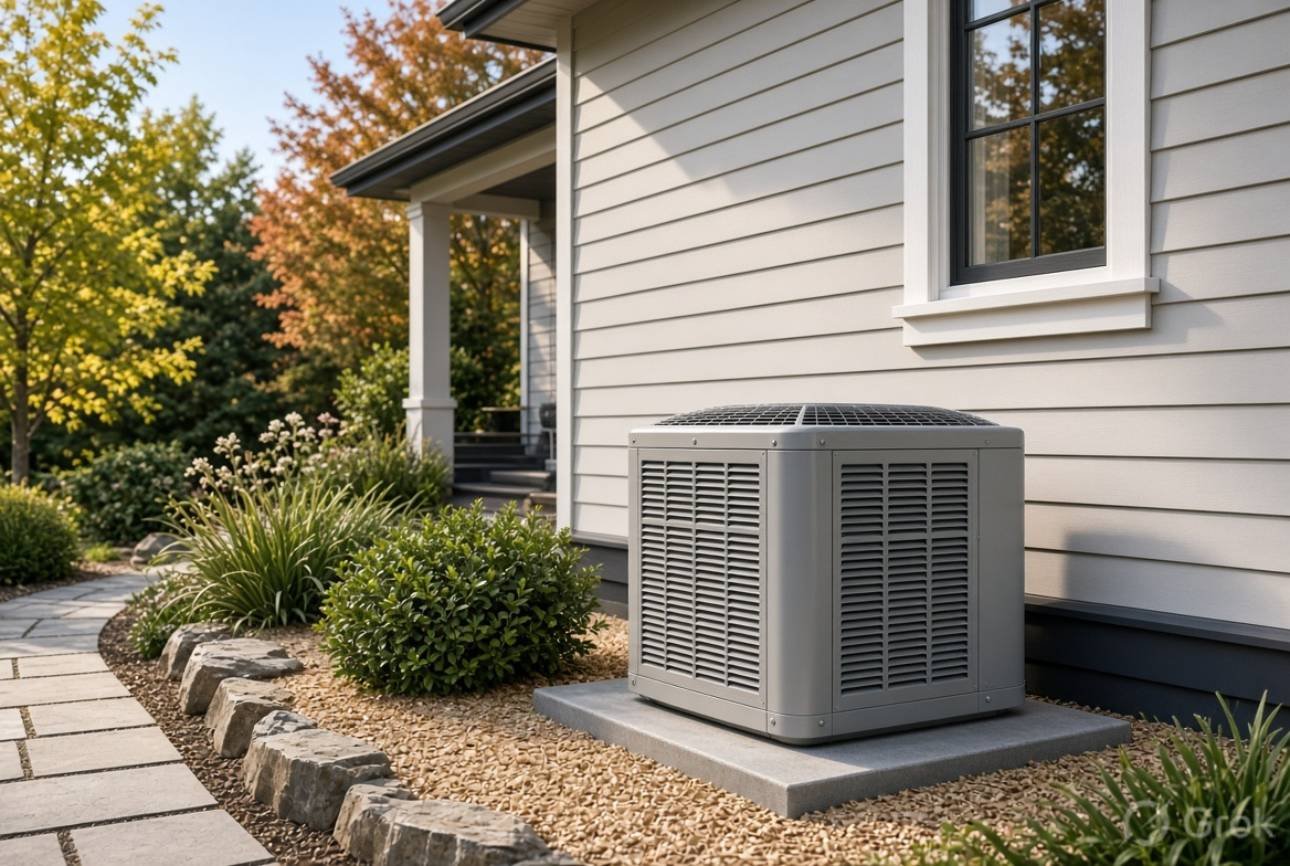
HVAC systems work hardest when the weather turns extreme. A central air conditioner runs almost constantly during a heatwave. A furnace or heat pump faces the same demand when temperatures drop. Preparing the system before those stretches of heavy use helps it perform reliably and reduces the chance of breakdowns at the worst possible time.
Seasonal maintenance is not complicated, but it is purposeful. A few checks and clean-ups in spring and autumn keep air flowing properly, catch small issues early, and support steady indoor comfort all year.
Why Timing Matters
Waiting until the first hot or cold day often means discovering problems when you need the system most. Filters clog, outdoor units collect debris, and minor wear becomes noticeable only under load. Addressing these points ahead of peak season gives the equipment a clearer path to efficient operation and helps avoid emergency call-outs.
Preparing Your System for Summer
Focus on cooling performance before sustained heat arrives.
Start with the air filter. A dirty filter restricts airflow, forces the system to work harder, and can lead to frozen coils or higher energy use. Replace or clean it according to the manufacturer’s guidance, usually every one to three months.
Clear space around the outdoor unit. Leaves, grass clippings, and overgrown plants block airflow and reduce efficiency. Aim for at least half a metre of clearance on all sides and keep the top free of debris.
Check the condensate drain line. During cooling, the system produces water that must drain away freely. A blocked line can cause water to back up and damage the indoor unit or surrounding areas. Pour a small amount of distilled vinegar or a recommended cleaner through the line if it appears restricted.
Test the thermostat. Set it a few degrees cooler and confirm the system responds promptly. Listen for unusual noises such as rattling, grinding, or excessive vibration once it starts.
Inspect supply and return vents indoors. Make sure furniture or curtains are not blocking them. Restricted vents create uneven temperatures and extra strain.
For heat pumps that also cool, the same outdoor clearance and filter steps apply. Confirm the system switches cleanly between modes if it has that capability.
Preparing Your System for Winter
Heating equipment needs attention before cold weather sets in.
Replace the filter again if it has been several months since the last change. Clean airflow remains essential for furnaces and heat pumps alike.
Examine the outdoor unit on heat pumps. Snow, ice, and fallen leaves can accumulate. Keep the area clear and ensure the unit sits level. Some models have specific defrost settings worth reviewing in the manual.
Check that all supply vents are open and unobstructed. Closed vents in unused rooms can throw off system balance and reduce overall efficiency.
Listen for unusual sounds when the heating cycle begins. Banging, squealing, or persistent humming deserves attention before temperatures fall further.
Test the thermostat’s heating function. Raise the set point and confirm warm air arrives within a reasonable time. If the system struggles or cycles on and off rapidly, note the behaviour for a professional.
For furnaces, ensure the area around the indoor unit stays clear of storage items and that the flue or exhaust path remains free of blockages.
Shared Checks That Help Year-Round
A few habits support both seasons:
- Keep a record of filter changes and any unusual observations
- Confirm the circuit breaker and any outdoor disconnect switches are in good condition
- Watch for short cycling, weak airflow, or uneven room temperatures
- Schedule professional tune-ups before peak demand periods
These simple steps create a clearer picture of system health and make conversations with technicians more productive.
Warning Signs That Deserve Attention
Certain symptoms should not wait for the next seasonal check. Persistent unusual noises, water leaks near the indoor unit, a sudden rise in energy bills, or failure to reach the set temperature all indicate the need for prompt inspection. Ignoring them often leads to larger repairs later.
Questions Homeowners Often Ask
How far in advance should I schedule seasonal maintenance?
Aim for early spring before regular cooling use and early autumn before heating demand rises. This timing avoids the busiest periods for technicians and gives the system time to settle.
Can I handle most seasonal checks myself?
Filter changes, outdoor unit clearance, vent inspection, and basic thermostat tests are straightforward for most homeowners. Anything involving refrigerant, gas lines, electrical components, or internal cleaning is best left to qualified technicians.
Do heat pumps need different seasonal care from traditional systems?
Heat pumps benefit from the same filter and clearance attention as other systems, plus extra care around outdoor coils in both heating and cooling seasons. Their dual role makes consistent airflow especially important.
What happens if I skip seasonal preparation?
The system may still run, but efficiency drops, wear accelerates, and the risk of mid-season failure increases. Small issues that could have been fixed quickly often become more expensive under heavy load.
Conclusion
Seasonal HVAC maintenance is one of the most practical ways to protect comfort and control costs. Preparing the system before summer heat and winter cold arrives keeps filters clean, airflow clear, and components ready for sustained work. Simple homeowner checks combined with timely professional attention reduce surprises and help the equipment last longer. A little preparation in the milder months pays off when the weather becomes demanding.