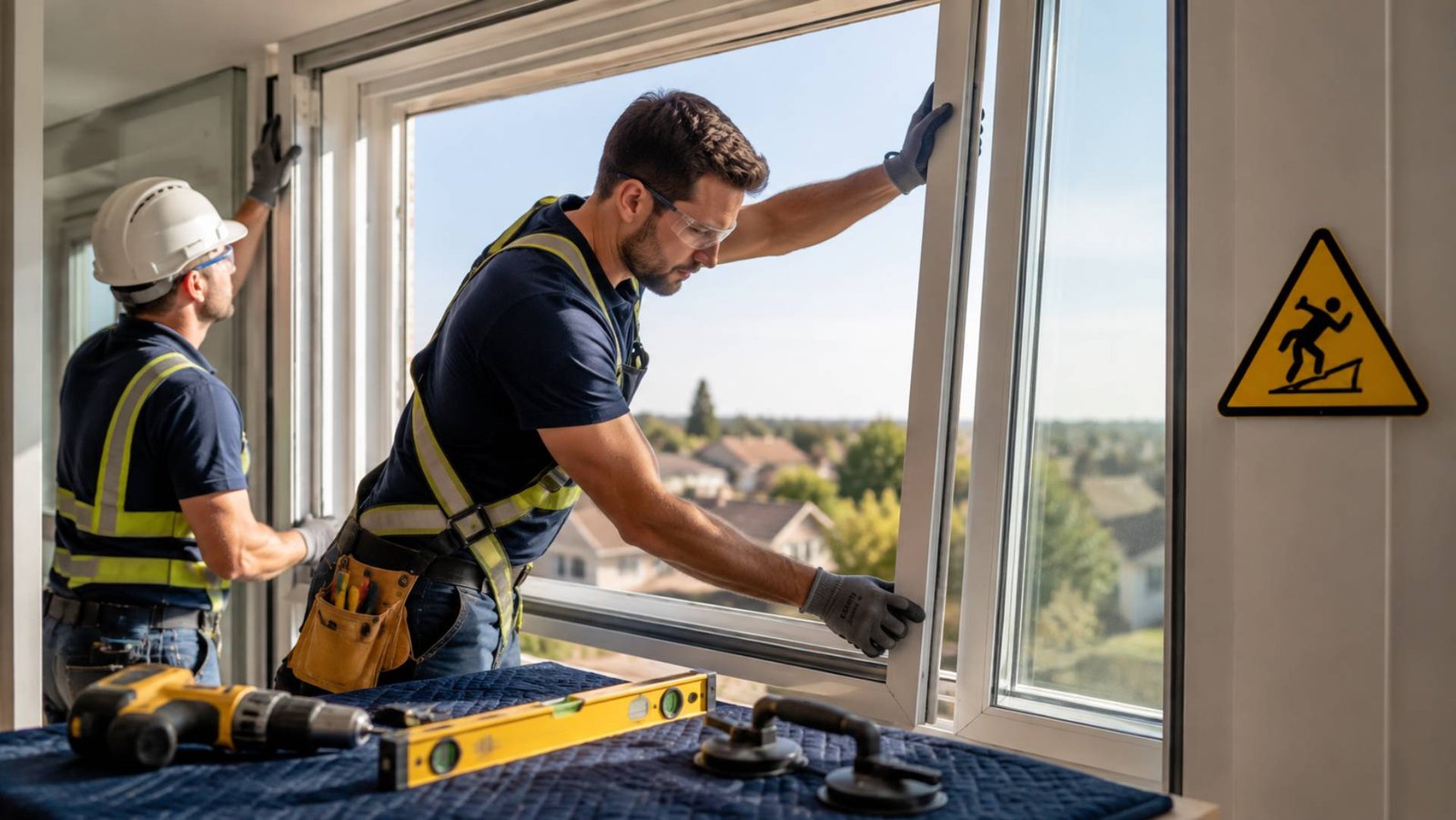
Window installation involves more than fitting glass into an opening. Ladders, heavy units, sharp edges, and precise structural work create real hazards if safety steps are skipped. Falls, cuts, and improper seals can injure workers or leave a home exposed to water, wind, and energy loss. In Florida, where storms test every joint and seal, these risks grow even higher. Learning the common dangers and applying proven solutions keeps people safe while delivering windows that stand up to heat, humidity, and high winds for years.
Homeowners who want dependable results often turn to specialists in window installation Safety Harbor FL who build safety into every stage of the job. From site assessment to final inspection, these teams follow practices that protect crews and the finished home.
Common Risks on the Job Site
Window projects bring several predictable hazards that careful planning can control.
Falls and Elevated Work
Most installations require ladders or scaffolding. Unstable footing, overreaching, or wet surfaces after Florida rain showers increase the chance of a fall. Even a short drop can cause serious injury. Temporary supports and proper ladder placement reduce these risks when crews treat height work with consistent caution.
Glass Handling and Sharp Materials
Modern windows, especially impact-rated units common in coastal Florida, are heavy and can break under uneven pressure. Sharp edges and tempered glass fragments demand gloves, eye protection, and controlled lifting techniques. Rushing this step invites cuts and broken units that delay the project and raise costs.
Structural and Weather Exposure
Removing an old window leaves an open hole in the wall. Without temporary bracing or weather barriers, the opening can admit rain, wind-driven moisture, or even pests. Improper flashing or sealant later allows water to travel into wall cavities, leading to rot or mold that surfaces months afterward. In areas with hurricane exposure, a weak install can also fail wind-load requirements and void insurance coverage.
Smart Solutions That Keep Projects Safe
Professional crews address these risks with clear systems rather than guesswork. They start with a site evaluation that checks framing condition, electrical lines near the opening, and access for equipment. Fall-protection harnesses, secured ladders, and stable platforms become standard when work moves above ground level. Glass is moved with suction cups or team lifts so no single person bears the full weight.
Temporary plywood or plastic covers protect the opening until the new window is ready. Flashing tape, sill pans, and high-quality sealants create continuous water barriers that meet Florida’s strict moisture and wind standards. Impact windows receive extra attention to anchoring and shimming so they stay secure under high pressure.
Residents frequently choose window installation Safety Harbor FL providers because these teams already operate under local building codes and understand the extra demands of coastal weather. Their familiarity with permit requirements and inspection points helps the project finish cleanly the first time.
Key Safety Practices Worth Following
- Use fall-arrest systems and secure ladders on firm, level ground
- Wear cut-resistant gloves, safety glasses, and hard hats during glass handling
- Install temporary weather barriers immediately after old windows are removed
- Apply continuous flashing and sill pans before setting the new unit
- Check framing for rot or weakness and repair it before installation
- Follow manufacturer torque and shimming instructions for impact ratings
- Schedule work around weather forecasts to avoid rain or high winds
- Keep the work area clear of debris that could cause trips or falls
These steps protect both the installation crew and the long-term performance of the windows.
Why Professional Safety Standards Matter
A safe installation delivers more than injury prevention. Windows that sit square and seal correctly improve energy efficiency, reduce noise, and resist storm pressure. Homeowners gain lower cooling bills and stronger protection during hurricane season. Insurance carriers often look more favorably on homes with documented professional installs that meet current code.
DIY attempts or lowest-bid crews that skip safety steps may finish faster, yet the hidden costs appear later as leaks, drafts, or failed inspections. Experienced teams document their process, which simplifies warranty claims and future resale. Clear communication about schedule, materials, and safety expectations also reduces stress for the household during the project.
Florida’s combination of heat, humidity, and occasional extreme weather makes correct installation especially valuable. Impact-resistant glass and proper anchoring only perform as designed when the surrounding frame, flashing, and fasteners are handled correctly. Safety-focused work ensures those components function together rather than creating new weak points.
Regular post-install checks for seal integrity and smooth operation catch minor issues before they grow. Most modern windows need little maintenance once set properly, giving homeowners confidence that the investment will last through many seasons.
Safer Windows, Stronger Homes
Window installation safety protects people on the job and the structure that shelters a family for decades. Falls, glass injuries, and weather exposure remain real risks, yet proven practices such as fall protection, careful handling, temporary barriers, and code-compliant sealing keep projects on track. Partnering with skilled local crews brings the experience needed to meet Florida’s demanding climate and building standards. The result is energy-efficient, storm-ready windows installed without unnecessary hazards. Taking safety seriously today delivers comfort, efficiency, and peace of mind for years ahead.