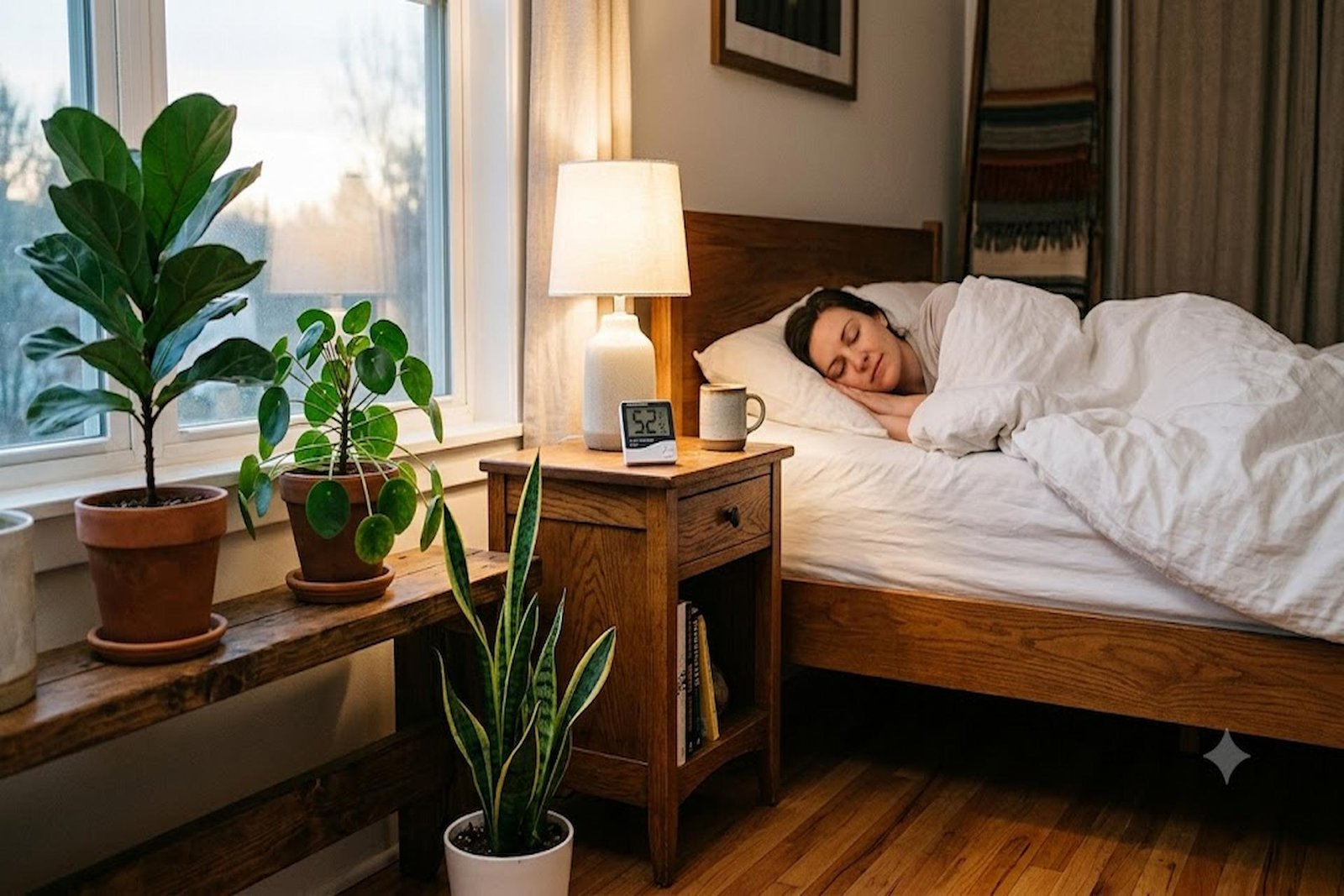
Humidity often goes unnoticed until it becomes a problem. Most homeowners pay close attention to indoor temperature, but the amount of moisture in the air plays an equally important role in how comfortable a home feels. Air that is too dry or too humid can affect everything from your sleep quality to the condition of your furniture, flooring, and even your heating and cooling system. If maintaining balanced humidity has become a challenge, professional whole home humidifier service Fairfiled, CT can help create a healthier and more comfortable indoor environment throughout the year.
Unlike seasonal weather changes, indoor humidity issues often develop gradually. You may notice dry skin during winter, sticky rooms in summer, or wood furniture that begins to crack or warp over time. These small changes are easy to overlook, but they often point to an imbalance in your home’s humidity levels. Understanding how moisture affects your living space can help you protect both your comfort and your home for the long term.
Why Humidity Matters More Than You Think
Humidity refers to the amount of moisture present in the air. When indoor humidity remains within a balanced range, your home generally feels more comfortable, and many household materials stay in better condition. Problems arise when humidity levels become too high or too low for extended periods.
Dry indoor air is common during the colder months when heating systems run frequently. High humidity often becomes more noticeable during warm weather, especially if ventilation is limited. In both situations, maintaining proper moisture levels helps create a more pleasant indoor environment while reducing unnecessary strain on your home.
The Connection Between Humidity and Better Sleep
A comfortable bedroom is about more than a good mattress and the right temperature. Humidity also plays a role in how well you sleep throughout the night.
When the air becomes excessively dry, you may wake up with a dry throat, irritated nasal passages, or dry skin. These issues can make it harder to stay comfortable and may interrupt restful sleep. On the other hand, excessive humidity can leave rooms feeling warm and sticky, making it difficult to cool down and relax before bedtime.
Maintaining balanced humidity helps create a sleeping environment that feels comfortable throughout every season.
Your Furniture Responds to Changes in Moisture
Many homeowners are surprised to learn that wood furniture naturally reacts to changes in indoor humidity.
When the air becomes too dry, wood may shrink, causing small cracks, loose joints, or gaps in furniture and cabinetry. During periods of high humidity, wood absorbs excess moisture and may expand, leading to swelling or warping.
These changes usually happen gradually, but over time they can affect:
- Hardwood flooring
- Wooden furniture
- Kitchen cabinets
- Interior doors
- Window frames
- Musical instruments
Keeping indoor humidity consistent helps preserve these materials and reduces unnecessary wear.
Dry Air Can Affect Everyday Comfort
Low humidity often creates subtle discomfort that many people simply accept as part of winter.
You may notice dry lips, itchy skin, static electricity, or irritated eyes without realizing that dry indoor air is contributing to these problems. Even houseplants can show signs of stress when moisture levels remain too low for long periods.
Adding moisture to the air through proper humidity control helps many homes feel noticeably more comfortable during colder months.
High Humidity Brings Its Own Challenges
While dry air receives plenty of attention, excessive humidity can create a different set of concerns.
Rooms with high moisture levels may feel warmer than the thermostat indicates because humid air makes it harder for the body to cool naturally. Excess humidity can also encourage condensation on windows and create conditions that allow mold and mildew to develop in damp areas.
Common signs of excessive indoor humidity include:
- Condensation on windows
- Musty odors
- Damp-feeling rooms
- Moisture around vents
- Visible mold growth in problem areas
Addressing high humidity early helps prevent more significant issues from developing.
Your HVAC System Is Part of the Solution
Your heating and cooling system already plays a role in managing indoor humidity, but it may not always provide complete control.
Air conditioners naturally remove some moisture during summer, while heating systems often reduce indoor humidity during winter. However, depending on your home’s size, insulation, and local climate, additional humidity control may be necessary.
Whole-home humidity solutions work with your HVAC system to maintain more consistent moisture levels throughout every room instead of relying on portable units in individual spaces.
A Balanced Home Is Easier to Maintain
Maintaining proper humidity doesn’t just improve comfort. It can also make everyday home maintenance easier.
Balanced humidity may help reduce:
- Excess static electricity
- Dry, cracked wood surfaces
- Uncomfortable indoor air
- Moisture-related damage
- Uneven indoor comfort
Although these improvements may seem small individually, together they contribute to a healthier and more enjoyable living environment.
Knowing When to Address Humidity Problems
Many humidity issues develop slowly, making them easy to ignore until visible damage appears. Paying attention to changes inside your home can help you identify problems before they become more expensive to correct.
If you regularly notice dry skin, recurring condensation, musty odors, or changes in wood furniture and flooring, it may be time to evaluate your home’s humidity levels. Professional HVAC specialists can recommend solutions that match your home’s specific needs and provide more consistent comfort throughout the year.
Final Thoughts
Indoor humidity quietly influences many aspects of daily life, from how well you sleep to how long your furniture, flooring, and woodwork remain in good condition. While temperature often receives most of the attention, maintaining balanced moisture levels is equally important for creating a comfortable and well-protected home.
By understanding how humidity affects your living space and addressing imbalances before they become larger problems, you can improve indoor comfort, protect valuable household materials, and create a healthier environment for your family. Small adjustments today can provide lasting benefits for both your home and your everyday quality of life.