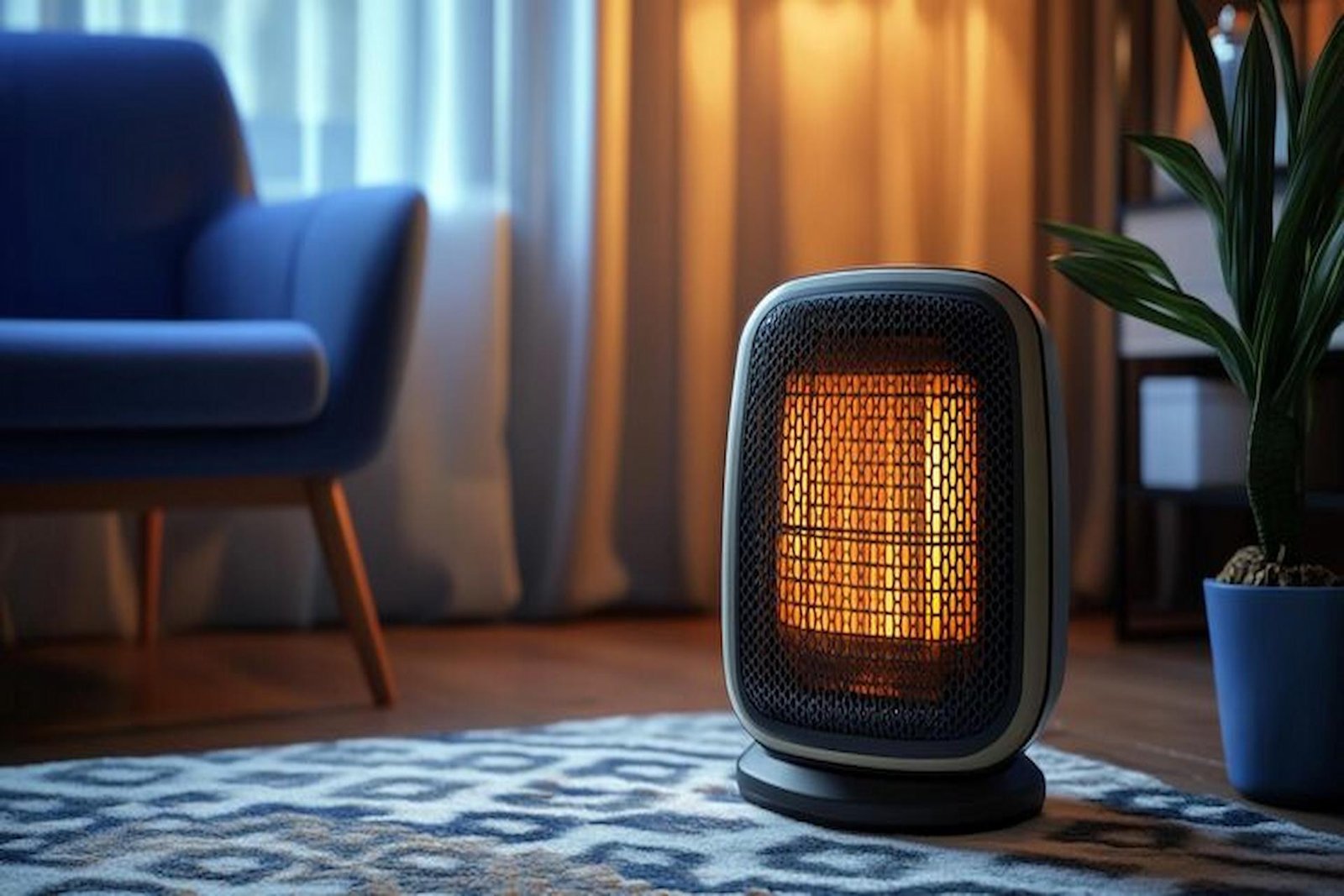
Winter brings a beautiful change to the landscape, but it also places a significant demand on your residential comfort systems. As temperatures drop, ensuring your living space remains a warm sanctuary becomes a top priority for every homeowner. A cold house is not only uncomfortable but can also lead to issues like frozen pipes or increased stress on your physical health during flu season.
Optimizing your home for the colder months requires a mixture of smart habits and professional technical oversight. Scheduling a comprehensive heating service before the first frost is the most effective way to guarantee your furnace or heat pump operates at peak efficiency. This proactive step helps identify minor mechanical issues before they turn into expensive mid-winter emergencies, giving your family absolute peace of mind.
Maximizing Your Building Envelope Efficiency
Keeping your home warm starts with preventing the heat you pay for from escaping through invisible gaps. Thermal leaks around window frames, exterior doors, and attic hatches act like a constant drain on your household budget. Utilizing high-quality weatherstripping and silicone caulk to seal these breaches creates a tighter building envelope, allowing your mechanical systems to run shorter, more efficient cycles.
Thermal curtains and heavy drapes also provide an additional layer of insulation against cold glass panes. By closing them as soon as the sun sets, you trap a pocket of air that prevents heat transfer. If you notice persistent cold spots despite these efforts, it may be time for a professional heating service to evaluate your ductwork integrity and ensure warm air is reaching every room.
- Reverse Ceiling Fans: Set your fans to rotate clockwise at a low speed to push warm air trapped at the ceiling back down.
- Open South-Facing Blinds: Allow natural sunlight to heat your home for free during the day, then close them tightly at night.
- Install Door Sweeps: Prevent icy drafts from entering under exterior doors with simple, adhesive-backed foam or rubber sweeps that seal the gap.
- Seal Electrical Outlets: Use foam gaskets behind outlet plates on exterior walls to stop cold air from leaking into your living areas.
- Utilize Area Rugs: Cover hard flooring surfaces with thick rugs to add insulation and keep your feet warm on chilly mornings.
Smart Technology and Thermostat Management
Integrating smart home technology is a highly effective way to manage your home temperature without wasting energy. Wi-Fi-enabled thermostats allow you to create automated schedules that align with your daily routine. Lowering the temperature by just a few degrees while you are sleeping or away at work can lead to significant savings on your monthly utility expenses over the winter.
Modern intelligent controls can also monitor outdoor weather patterns and adjust your system’s output in real time. This prevents the system from overworking during a sudden cold snap and ensures a consistent level of comfort. These devices often provide detailed energy reports, helping you identify specific times when your household consumes the most power, allowing for better long-term financial planning.
Maintaining Your Equipment for Longevity
A well-maintained heating system does more than just provide warmth; it also ensures that the air circulating through your home is clean and safe. Dust and debris accumulation inside the blower motor or on the heat exchanger can restrict airflow and even create a fire hazard. Consistent attention to your mechanical equipment preserves its functional life and maintains your manufacturer warranty.
- Change Filters Monthly: Clean filters prevent the motor from overworking and capture airborne dust, pet dander, and seasonal allergens effectively.
- Clear External Vents: Ensure that your furnace exhaust and intake pipes are free from snow, ice, or bird nests to prevent carbon monoxide.
- Inspect the Pilot Light: For gas systems, a steady blue flame indicates efficient combustion, while a yellow flame suggests a need for cleaning.
- Listen for Strange Noises: Rattling, banging, or squealing sounds often signal loose belts or failing bearings that require immediate technical attention.
- Keep Registers Unobstructed: Ensure that furniture, rugs, or heavy curtains are not blocking the flow of air from your floor or wall vents.
Improving Air Quality and Humidity Balance
Winter air is notoriously dry, which can make a home feel colder than it actually is. Dry air causes moisture to evaporate from your skin faster, leading to a persistent chill even when the thermostat is set high. Using a whole-home humidifier adds a controlled amount of moisture back into the atmosphere, improving your perceived comfort and protecting your wooden furniture from cracking.
Strategic Furniture Placement for Better Flow
The layout of your rooms can significantly impact how heat is distributed. If large sofas or heavy cabinets are placed directly over heating vents, they absorb the warmth before it can circulate through the space. Moving furniture away from registers ensures that air flows freely, allowing the entire room to reach the desired temperature much faster and reducing the total runtime of your system.
If you have unused guest rooms, keep the doors closed to concentrate the heat in the areas where you spend the most time. However, be careful not to close too many vents, as this can increase static pressure within your ductwork and cause mechanical strain. Finding the right balance between targeted heating and system health is key to maintaining a sustainable and comfortable winter environment.
Conclusion
Keeping your home warm during the winter involves a strategic combination of sealing thermal leaks, utilizing smart technology, and prioritizing consistent equipment care. Sealing your building envelope and managing your thermostat effectively will lower utility bills while enhancing daily comfort. Professional heating service ensures your system remains safe and efficient, preventing unexpected breakdowns during extreme weather. By adopting these simple solutions and maintaining your mechanical infrastructure, you protect your property and ensure a safe, cozy, and inviting sanctuary for your family throughout the entire season.